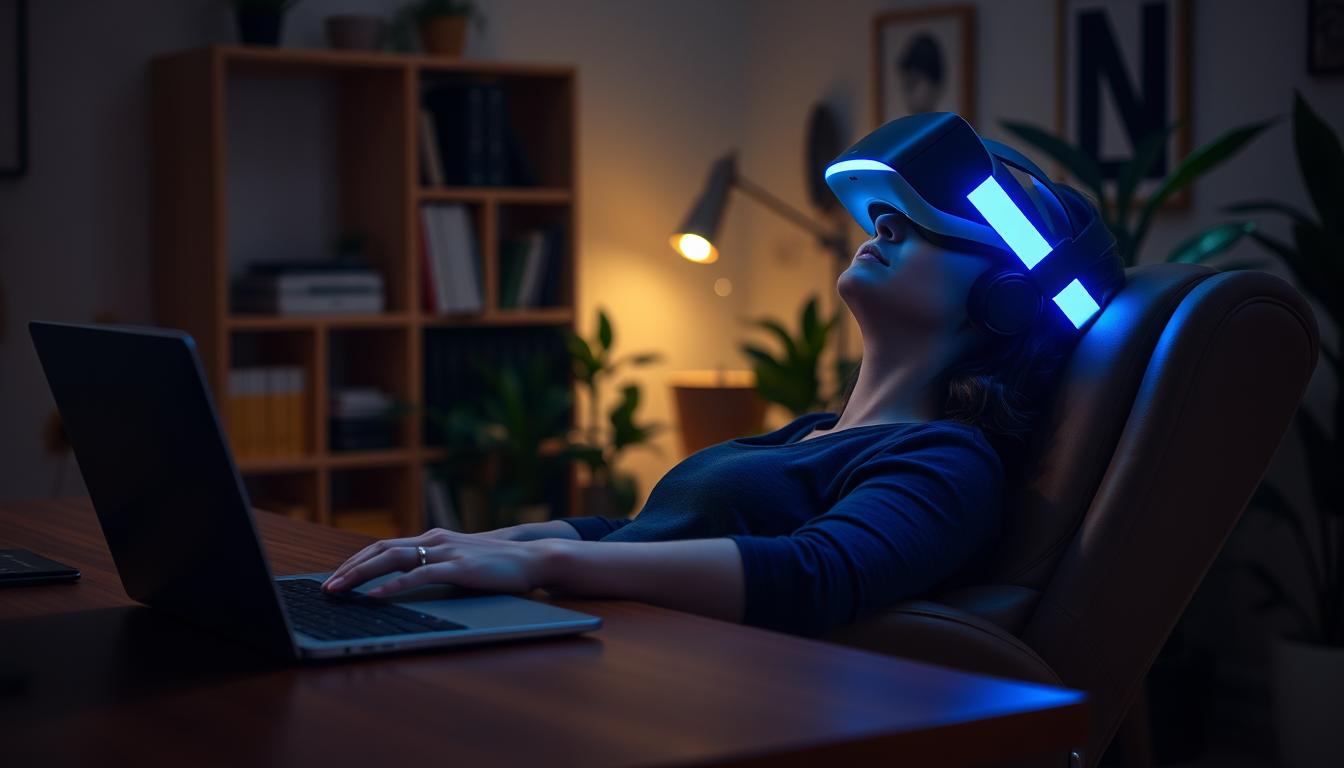
Virtual hypnotherapy sessions are now more popular than ever. They let people enjoy the benefits of hypnotherapy right at home.
Online hypnosis therapy uses a safe video platform. It’s a great way to get help for mental health issues without leaving your house.
This article will dive into virtual hypnotherapy. We’ll look at its benefits and what you can expect from a session.
Key Takeaways
- Virtual hypnotherapy sessions are conducted via a secure video platform.
- Online hypnosis therapy provides a convenient and accessible way to address mental health concerns.
- Virtual hypnotherapy can be just as effective as in-person therapy.
- Sessions can be tailored to individual needs and goals.
- A typical session involves guided relaxation and visualization techniques.
The Evolution of Hypnotherapy in the Digital Age
The digital revolution has changed hypnotherapy, opening new ways to help people. With technology getting better, how we get and use hypnotherapy is changing a lot.
Traditional vs. Online Approaches
Traditional hypnotherapy means talking face-to-face with a therapist. Online hypnotherapy, or remote hypnotherapy sessions and digital hypnotherapy sessions, happens over the internet. Research shows online therapy works just as well as in-person therapy.
This makes online sessions a good choice for many. They are easy to get to and offer comfort from home.

The Growing Popularity of Remote Therapeutic Services
Remote therapeutic services are becoming more popular. They are easy to get, accessible, and let people get therapy from home. Studies prove online hypnotherapy is as good as traditional methods.
So, more people are choosing digital hypnotherapy sessions for their needs. This shift shows a big change in healthcare towards digital options. It looks promising for those looking for new ways to get help.
Understanding How Virtual Hypnotherapy Sessions Work
The process of virtual hypnotherapy sessions is both fascinating and effective. It uses relaxation techniques and focused attention. This helps individuals enter a deep relaxation state. Their subconscious mind then becomes more open to positive ideas and images.

The Core Process of Online Hypnosis
In an online hypnotherapy session, the hypnotherapist guides the client into a relaxed state. They use verbal cues and imagery for this. The process includes:
- Initial consultation to discuss goals and concerns
- Induction techniques to relax the client
- Deepening the trance state
- Delivering therapeutic suggestions
- Awakening the client from the trance state
Myths vs. Reality in Digital Hypnotherapy
There are several misconceptions about virtual hypnosis sessions. Let’s address a few:
- Myth: Hypnosis is mind control. Reality: It’s a guided process to access the subconscious.
- Myth: You’re asleep or unconscious. Reality: You’re in a focused state of awareness.
- Myth: Hypnosis is only for entertainment. Reality: It’s a legitimate therapeutic technique.
By understanding the core process and dispelling myths, individuals can approach online hypnotherapy sessions with confidence and an open mind.
The Science Behind Effective Online Hypnosis
Virtual hypnotherapy programs are becoming more popular. It’s important to know how they work. They use the same method as in-person hypnotherapy to put clients in a trance-like state.
Neurological Mechanisms in Virtual Settings
The brain works the same way in virtual hypnosis as it does in traditional hypnotherapy. Studies show that the brain reacts the same to guided imagery and suggestions, whether the hypnotherapist is there in person or online.
Key neurological processes include:
- Altered state of consciousness
- Focused attention
- Increased suggestibility
Research on Virtual vs. In-Person Trance States
Research shows that virtual and in-person trance states are just as effective. The key is the client’s ability to relax and connect with the hypnotherapist. A good internet connection and a comfortable environment help a lot.
Some benefits of virtual hypnotherapy include:
- Increased accessibility for clients with mobility issues
- Greater flexibility in scheduling sessions
- Comfort of being in a familiar environment
Understanding the science behind online hypnosis helps both practitioners and clients. It shows the good and bad sides of virtual hypnotherapy programs.
Technical Setup for Remote Hypnotherapy Sessions
A good technical setup is essential for successful remote hypnotherapy sessions. To make sure everything goes smoothly, we need to think about a few key things.
Essential Hardware Requirements
To join online hypnotherapy sessions, you’ll need some basic hardware. Here’s what you’ll need:
- A reliable computer or mobile device with a good sound system and camera.
- A stable internet connection to prevent disruptions during the session.
- A quiet, private space to minimize distractions and ensure confidentiality.
Investing in a quality headset or earbuds can also enhance the overall experience by providing clearer audio.
Recommended Software and Platforms
The software and platforms used for remote hypnotherapy can differ. Some popular choices include:
| Platform | Features |
|---|---|
| Zoom | High-quality video, screen sharing, and recording capabilities |
| Skype | Simple interface, good audio quality, and screen sharing |
| Specialized Telehealth Platforms | Secure, HIPAA-compliant solutions for sensitive sessions |
Creating an Optimal Environment at Home
Creating a good environment at home is key for effective remote hypnotherapy. Here are some tips:
- Choose a quiet room with minimal background noise.
- Ensure the space is private and free from interruptions.
- Use comfortable seating and appropriate lighting to promote relaxation.
A calm and peaceful atmosphere can significantly enhance the effectiveness of the hypnotherapy session.
The Structure of a Typical Virtual Hypnotherapy Session
Understanding virtual hypnotherapy sessions helps prepare for online therapy. A typical session guides the client to relax, focus, and change positively.
Pre-Session Consultation and Preparation
A pre-session consultation is done before the hypnotherapy starts. It covers the client’s goals, concerns, and questions. This step is key to making the session fit the client’s needs.
The hypnotherapist might also give tips on how to get ready. They might suggest finding a quiet, comfy spot.
The Online Induction Process
The online induction is a vital part of virtual hypnotherapy. The hypnotherapist uses a calm voice to help the client relax deeply. They might use techniques like progressive relaxation or visualization.
This process is made for the online setting. It ensures the client feels safe and comfortable.
Therapeutic Intervention and Suggestion Delivery
After the client is relaxed, the hypnotherapist starts the therapeutic part. They give positive suggestions and visualizations for issues like anxiety or weight management. The aim is to change the subconscious mind for better thoughts and actions.
The session ends with a gradual wake-up. The hypnotherapist might also offer support after the session. This helps keep the progress going.
| Session Component | Description | Benefits |
|---|---|---|
| Pre-Session Consultation | Discussion of client goals and concerns | Tailors the session to individual needs |
| Online Induction | Guiding the client into deep relaxation | Promotes relaxation and focus |
| Therapeutic Intervention | Delivery of positive suggestions | Reprograms the subconscious with healthier patterns |
Benefits of Virtual Hypnotherapy Programs
Virtual hypnotherapy sessions have made it easier to get help. They offer many benefits for people looking for therapy. These programs meet different needs.
Accessibility and Convenience Advantages
Virtual hypnotherapy is easy to get to. You can do it from home, saving time and effort. This is great for those who can’t travel or live far from services.
Key benefits include:
- Flexibility in scheduling
- Comfort of receiving therapy from home
- Access to a wider range of therapists
Enhanced Privacy Considerations
Virtual sessions also protect your privacy. You can stay anonymous, which is key for sensitive topics. This makes it easier to open up.
Cost-Effectiveness and Time Efficiency
Virtual sessions save money and time. You don’t need to travel, and there are many affordable options. This makes it a smart choice for your budget and schedule.
| Benefits | Description | Advantages |
|---|---|---|
| Accessibility | Access therapy from anywhere | Convenient, flexible scheduling |
| Privacy | Maintain anonymity during sessions | Enhanced privacy, comfort |
| Cost-Effectiveness | Reduced costs compared to in-person sessions | Affordable, various pricing plans |
In summary, virtual hypnotherapy is a good choice for many. It’s easy to get to, keeps your privacy, and is affordable. It’s a solid alternative to traditional therapy.
Potential Challenges of Online Hypnosis Therapy
Online hypnosis therapy has many benefits, but it also comes with challenges. As it becomes more popular, we need to talk about the issues that might come up in virtual sessions.
Technical Disruptions and Troubleshooting
One big worry is technical problems. These can include:
- Internet connectivity issues
- Poor video or audio quality
- Software or platform malfunctions
To solve these problems, both the therapist and client need a strong internet connection. They should also use top-notch equipment. Having a plan B, like a phone number for emergencies, is also smart.
Safety Protocols for Virtual Sessions
Keeping sessions safe online is key. This means:
- Checking the client’s identity and location
- Having a way to reach the client in an emergency
- Making sure the client is in a safe, private spot
By setting up these safety steps, therapists can create a secure space for clients, even when they’re not in the same room.
Scenarios Where In-Person Sessions May Be Preferable
Online therapy works well for many, but sometimes in-person sessions are better. This is true for:
- Clients with serious mental health problems
- Those needing more detailed or complex therapy
- People who like the structure of being in a room together
Knowing these situations helps therapists decide if online or in-person therapy is best for each client.
Finding a Qualified Virtual Hypnotist Service
Finding a good virtual hypnotist is key for a great online therapy experience. With more people looking for virtual hypnotist services, knowing what to look for is important.
Essential Credentials and Certifications
A good virtual hypnotist has the right certifications and credentials. Look for those certified by groups like the National Guild of Hypnotists or the American Board of Hypnotherapy. These show they’ve had the right training and follow professional rules.
- Certification from recognized hypnotherapy organizations
- Completion of a comprehensive training program in hypnotherapy
- Adherence to a code of ethics and professional conduct
Evaluation Questions for Potential Practitioners
When picking a virtual hypnotist, ask the right questions. Ask about their:
- Experience with clients like you
- How they run online hypnotherapy sessions and what you can expect
- Availability and how flexible they are for scheduling
Warning Signs and Red Flags
Watch out for these red flags:
- Unrealistic promises or guarantees
- Lack of clear methods
- Poor reviews or ratings from others
By knowing these signs and doing your homework, you can find a qualified virtual hypnotist. They will offer effective online hypnotherapy sessions that meet your needs.
Conditions Commonly Treated Through Digital Hypnotherapy
Now, you can get therapy for many conditions from home. Digital hypnotherapy is a flexible treatment for both mind and body issues.
Anxiety, Stress, and Trauma Recovery
Digital hypnotherapy is perfect for anxiety hypnosis. It helps you relax deeply and face your worries. It’s also good for trauma recovery, offering a safe place to deal with past experiences.
Habit Control: Weight Management and Smoking Cessation
Virtual hypnosis is great for with weight loss hypnosis and stop smoking hypnosis. It changes your mind to help you stop bad habits and start better ones.
Pain Management and Sleep Disorders
Digital hypnotherapy also helps with pain management and sleep disorders. It makes you feel less pain and sleep better. This improves your overall health.
Phobias and Performance Enhancement
Virtual hypnosis is also good for phobias. It helps you face your fears safely. It’s also used for performance enhancement, helping you reach your goals in sports, school, or work.
| Condition | Treatment Approach | Benefits |
|---|---|---|
| Anxiety & Stress | Relaxation techniques, subconscious reprogramming | Reduced anxiety, improved coping mechanisms |
| Habit Control | Subconscious reprogramming, aversion therapy | Overcoming unwanted habits, healthier lifestyle |
| Pain Management | Pain perception alteration, relaxation | Reduced chronic pain, improved quality of life |
| Phobias & Performance | Gradual exposure, positive affirmations | Overcoming phobias, enhanced performance |
Conclusion: Embracing the Future of Hypnotherapy
Virtual hypnotherapy sessions have changed how we get hypnotherapy. They make it easy, effective, and accessible. This way, we can relax deeper and tackle many challenges.
The advantages of online hypnosis therapy are many. It’s more accessible and convenient. It also offers privacy and is more affordable. With the right tools and a skilled hypnotist, we can see big improvements in our mental and emotional health.
By trying virtual hypnotherapy, we start on the path to a better life. As this field grows, online hypnosis will become even more key in hypnotherapy’s future.